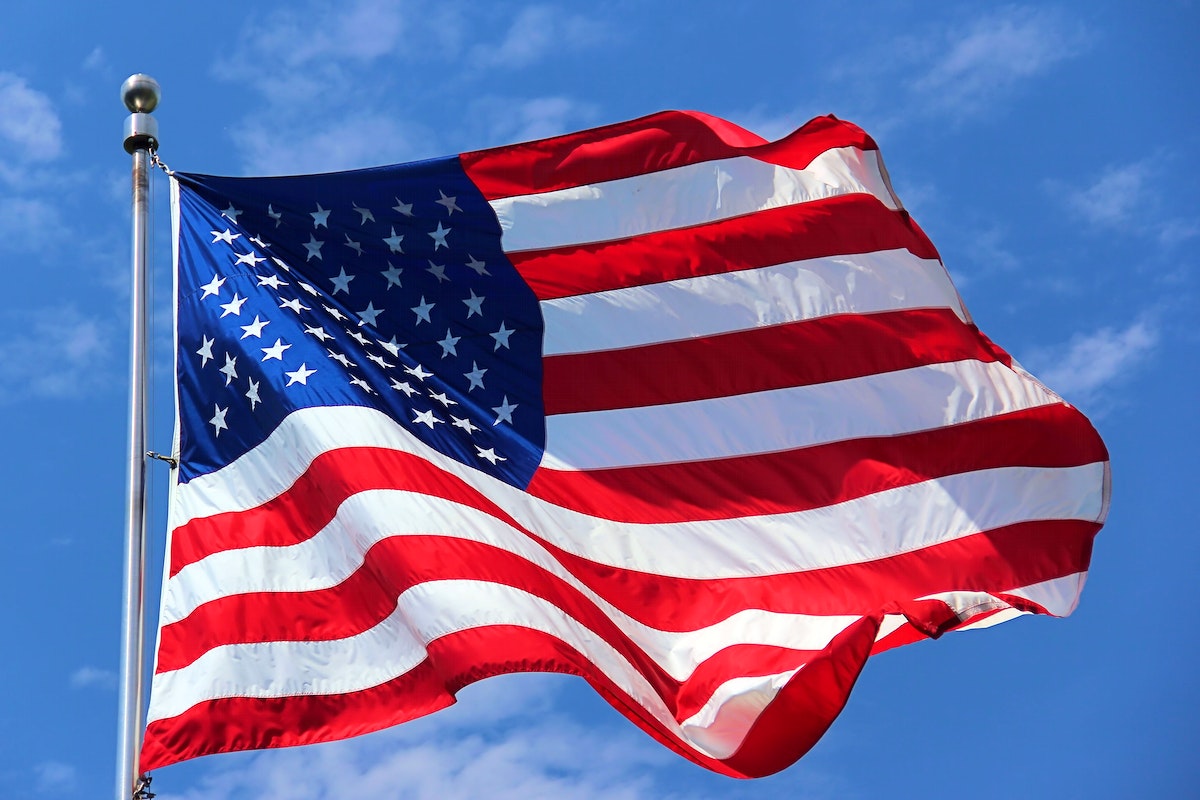
As written in the Constitution, every American, regardless of age and affiliation, is free to express their beliefs without the fear of retaliation. Yet, several students have become concerned that this right no longer applies to them.
This past December, reports from the Foundation for Individual Rights and Expression (FIRE) stated that 2025 had set the record for attempts to silence student speech, with 273 documented efforts. Following this report, schools nationally received a torrent of backlash. Critics argued that the education system has gone against students’ constitutionally protected rights. Students themselves began to speak out, sharing times when they’ve felt silenced by their administrators.
“Most of the time when I am talking about politics, I am told not to,” said sophomore Luzbella Diaz, “I like to express myself through my views on current events, and I think that recently, schools have started to be intolerant of that.”
Luzbella’s experience is far from rare. Several students have reported facing similar disciplinary action when expressing their political views on campus. Many have grown skeptical that their schools have become harsher in addressing political debate over derogatory and inappropriate language.
“This year, I have definitely noticed that a lot of my classmates have gotten in trouble more for talking about their beliefs instead of saying hurtful things.” said sophomore Robert Bernard.
This October, Indiana University cut off its student-led newspaper and fired its Director of Student Media days before printing. The reason for this late notice ban was said to be a budgetary decision. However, the newspaper’s staff claimed that this was an attempt to protect the University’s reputation against campus protests. Debates surrounding school censorship soon arose following the scandal.
“A few of my friends have said that they’ve felt silenced whenever they’ve talked about politics,” sophomore Evelyn Walker said. “Up until this year, it never crossed my mind that students could be punished for expressing themselves.”
Beyond arguments of freedom of speech on campus, concerns of freedom of the press in academics have intensified. Students have claimed to fear that being silenced in school extends beyond spoken words and now into their own assignments. Many have reported higher anxiety when expressing themselves in schoolwork, feeling their grades are at risk for writing their opinion.
“There have been several times where I’ve felt that I have received a grade lower than I deserved because the teacher disagreed with what I wrote,” one student said, “I would consider myself a very political person, and it hurts that I can’t say what I believe without being penalized.”
Many students believe that if 2025 has taught them anything, it is that the classroom has ceased to be a place of learning and has become a place of conformity. Consequently, parents and those in the school community argue that schools must ensure that the next generation of American leaders is not afraid to speak out.